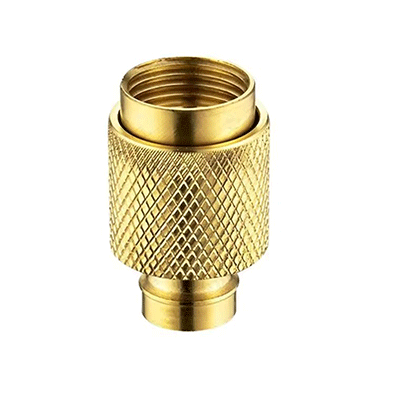
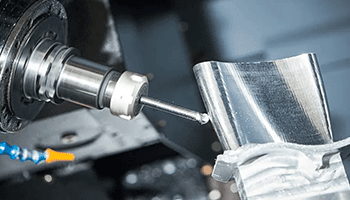
Custom Brass CNC Machining Service
Expert brass machining for prototypes and production runs. No minimum order quantity. Engineering support included with every quote.
Our Brass CNC Machining Service Material Choice
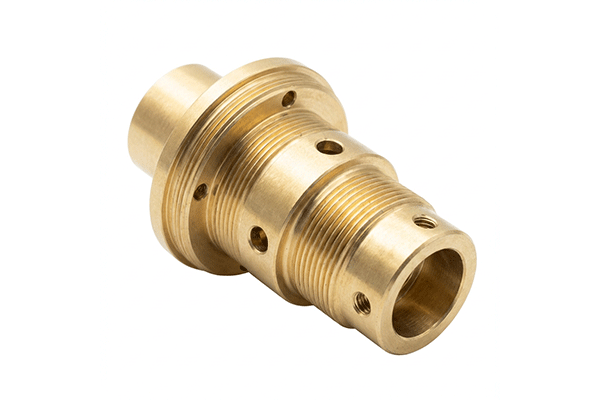
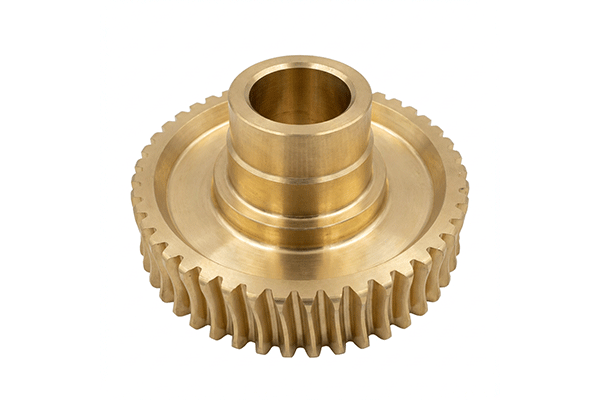
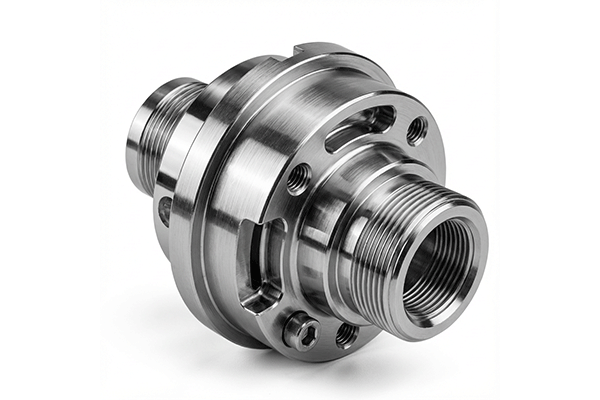
At UTM, our Brass CNC Machining Service is designed to meet your needs at every stage, from one-off functional prototypes to small-batch production for market testing or full-scale manufacturing. We offer CNC machining services for a wide range of brass materials, including C360.C260,C464C,C230. If your project requires a specific brass grade, we are fully capable of sourcing and machining according to your custom specifications.
Brass C360 is the most machinable brass alloy available, containing approximately 61% copper, 36% zinc, and 3% lead. This composition creates exceptional machinability, allowing for high-speed CNC operations, excellent chip formation, and superior surface finishes with minimal tool wear—ideal for high-volume production and complex geometries.
Key Properties:
- Tensile Strength: 124-310 MPa (18,000-45,000 psi)
- Yield Strength: 55-170 MPa (8,000-25,000 psi)
- Elongation at Break: 30-53%
- Hardness (Brinell): 63-130
- Density: 8.49 g/cm³ (0.307 lb/in³)
- Maximum Service Temp: 200°C (392°F)
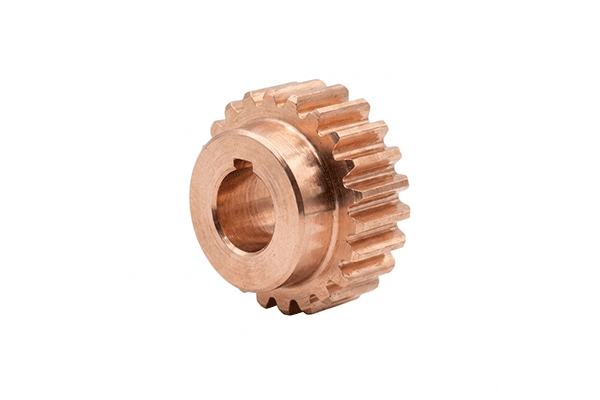
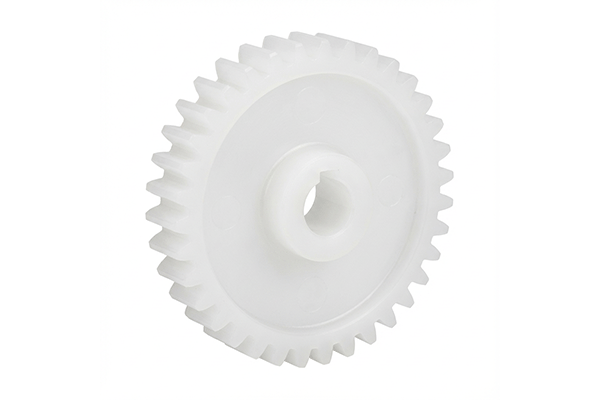
Best For: Gears, valves, screw machine parts, fittings, electrical connectors, high-volume production components
Cartridge Brass C260, also known as 70/30 brass, contains approximately 70% copper and 30% zinc. This high-copper content provides excellent electrical conductivity, superior formability, and attractive golden color—making it ideal for both functional and decorative applications.
Key Properties:
- Tensile Strength: 427 MPa (62,000 psi)
- Yield Strength: 358 MPa (52,000 psi)
- Elongation at Break: 23%
- Hardness (Brinell): 60
- Shear Modulus: 40 GPa
- Density: 8.53 g/cm³ (0.308 lb/in³)
- Maximum Service Temp: 915-955°C (1,680-1,750°F)
Best For: Radiator cores, lighting fixtures, plumbing components, electrical terminals, ammunition components, architectural trim.
Naval Brass C464 contains approximately 60% copper, 39% zinc, and 0.75% tin, specifically engineered for marine applications. The tin addition provides exceptional resistance to saltwater corrosion and dezincification, making it the material of choice for demanding marine environments.
Key Properties:
- Tensile Strength: 380-520 MPa (55,000-75,000 psi)
- Yield Strength: 170-350 MPa
- Hardness (Brinell): 75-105
- Corrosion Resistance: Excellent in seawater
- Dezincification Resistance: Superior
Best For: Marine hardware, pump components, valve bodies, offshore equipment, saltwater applications
Brass C230, consisting of approximately 85% copper and 15% zinc, sits at the high-copper end of the brass alloy spectrum. This composition delivers enhanced electrical and thermal conductivity along with the distinctive reddish-gold color that gives the alloy its name. When appearance, conductivity, or corrosion resistance takes priority over easy machinability, red brass provides excellent performance.
Key Properties of C230 Red Brass:
- Tensile Strength: 275-540 MPa
- Yield Strength: 70-380 MPa
- Elongation at Break: 5-55%
- Hardness: 50-135 Brinell
- Density: 8.75 g/cm³
- Thermal Conductivity: 159 W/m·K
- Electrical Conductivity: 44% IACS
- Corrosion Resistance: Excellent
Surface Finishing Options for CNC Machining Brass
Brass CNC machining Service can benefit from various finishing techniques to improve corrosion resistance, visual appeal, electrical insulation, or surface hardness. Below are common options:
As Machined Brass Finish
This is the default finish directly from the CNC machine. Tool paths and marks are visible. It’s ideal for functional or internal components where appearance isn’t a priority. Cost-effective and fast, this finish is often used for prototypes and parts not requiring surface refinement.
Sand Blasting for Brass Parts
Sand or other abrasives are sprayed at high speed to create a uniform matte or satin texture. This process effectively removes surface imperfections and provides a consistent base for further coatings like painting or anodizing.
Brass Tumbling Finish
Also known as barrel finishing, this method involves placing parts in a drum with abrasive media. As the drum rotates, it smooths and deburrs the surface. Tumbling is commonly used for small brass parts to achieve a semi-polished or even satin-like finish.
Electropolishing for Brass
This electrochemical process removes a thin layer of the metal surface, reducing roughness and enhancing brightness. It also improves corrosion resistance and is particularly beneficial for complex or small components that are difficult to polish mechanically.
Alodine Finish for Brass Parts
We accept STEP, IGES, SolidWorks, Inventor, Fusion 360, CATIA, and other CAD formats. 2D drawings in PDF or DWG also accepted.
Electroless Nickel Plating on Brass
A chemical plating technique that coats brass with a uniform layer of nickel, enhancing hardness, corrosion resistance, and wear properties. Unlike traditional electroplating, it doesn’t require electricity, making it ideal for parts with complex geometries.
Painting for Brass Components
A versatile finishing method that adds color, UV protection, and surface sealing. Various paint types can be applied depending on the part’s environment and purpose, ranging from decorative to functional coatings.
Powder Coating for Brass Parts
A durable, protective finish where powder is electrostatically applied and then cured under heat. It offers excellent abrasion and weather resistance and is available in a wide variety of colors, sheens, and textures.
Electrophoresis Coating
This method uses an electric field to deposit a uniform, corrosion-resistant film over brass parts. It is ideal for coating intricate shapes and internal surfaces and can be used in combination with powder coating or paint for enhanced durability.
Brushed Brass Finish
A linear pattern is created on the surface using brushes or abrasive belts. The resulting texture gives a clean, satin appearance. It’s commonly found in high-end electronics, appliances, and decorative parts due to its modern and premium look.
Our Copper CNC Machining Services Capabilities
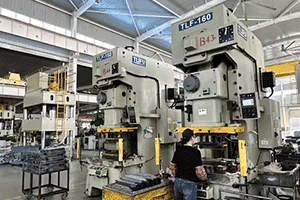
UTM specializes in precision parts processing, non-standard parts custom processing, die casting, stamping, sheet metal and tooling, fixture, customization, and assembly services. We focus on client’s demands and client’s satisfaction
CNC Machining Service
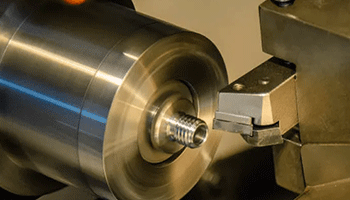
CNC Turning Service
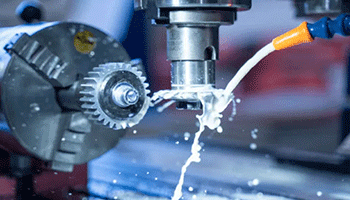
CNC Milling Service
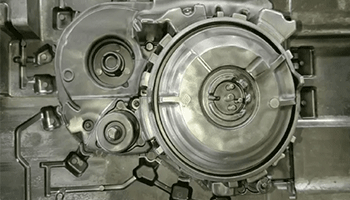
Die Casting Service
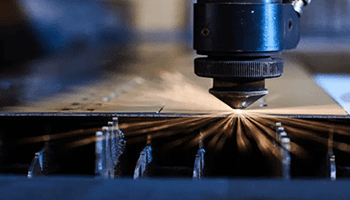
Sheet Metal Fabrication
Metal Stamping Service
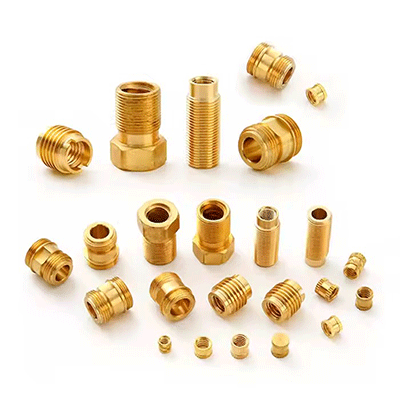
Applications of CNC Machined Brass Parts Across Industries
Brass is widely used across industries due to its durability, machinability, and attractive appearance. CNC machining enhances its precision for a variety of applications, including:
Electrical Components
Plug connectors, battery terminals, switches, automotive terminals, and electrical housings
Plumbing and HVAC Brass Parts
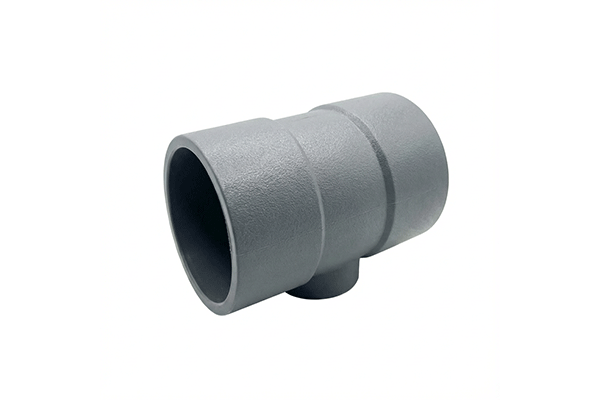
Pipe fittings, water valves, hose nozzles, manifolds, and other plumbing parts
Automotive Brass Components
Radiator cores, electrical connectors, bushings, threaded parts, and fuel system components
Marine Brass Hardware
Propellers, fittings, ship hardware, valve bodies, and corrosion-resistant fasteners
Decorative Brass Items
Door handles, knobs, rings, bracelets, jewelry, and architectural trim
Mechanical Brass Parts
Gears, nuts, screw threads, bearing rings, clock hands, and precision instruments
Why Choose Us for Your Brass CNC Machining Needs?
Engineering Partnership
15 years of copper machining expertise with ISO 9001:2015 certification. Advanced CNC centers achieving ±0.01mm tolerances, flexible production from prototypes to high-volume, and experienced engineering team providing free DFM analysis.
Quality Assurance
ISO 9001:2015 certified processes. Every shipment includes complete documentation: MTRs, dimensional reports, CoC, and traceability.
Advanced Manufacturing
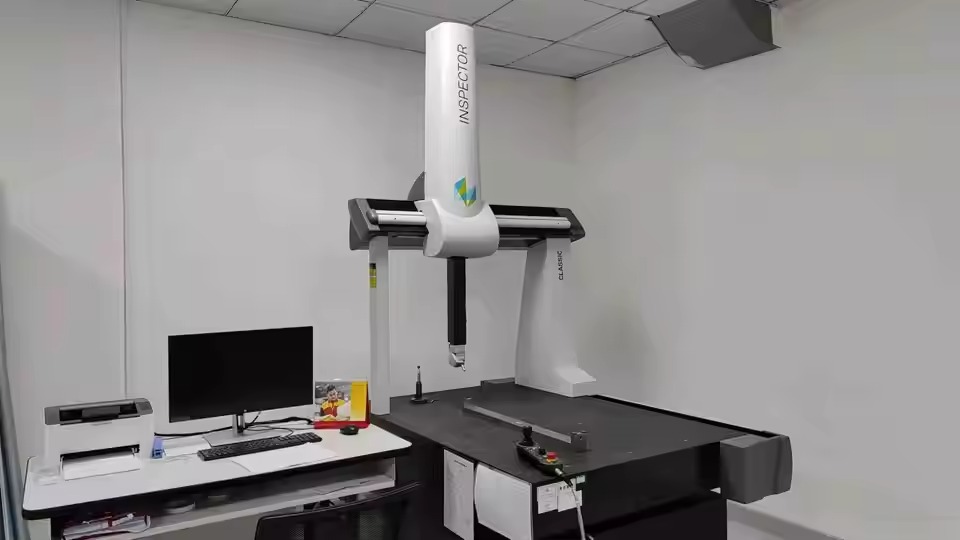
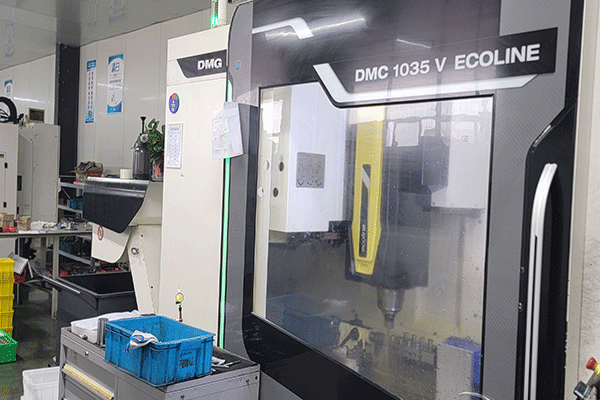
Swiss-type CNC lathes, automated bar feeders, live tooling, and CMM inspection. Statistical process control ensures consistent quality across every production run.
No Minimum Quantities
Whether you need small batches for testing or large-scale production runs, our capacity and efficiency make us the right choice for projects of any size. Quick turnaround times ensure your production schedule stays on track, even for urgent requirements.
CNC Brass Parts Made Simple
Get 10-day standard lead times on custom brass components. Upload your drawings to see how we can deliver precision for your application.
Our ordering process
Request for quote
Share project details for competitive pricing
Quote and design analysis
Detailed quote with design evaluation
Production
Precision manufacturing with advanced CNC systems
Quality control
Rigorous inspections ensure specifications
Delivery
Reliable shipping worldwide
Advantages and Disadvantages of Brass CNC Machining
Brass is a widely used material in CNC machining due to its excellent machinability, corrosion resistance, and aesthetic appearance. However, like any material, it comes with both benefits and limitations.
| ✅ Advantages | ❌ Disadvantages |
|---|---|
|
Excellent Machinability Fast cutting speeds, low tool wear, reduced manufacturing costs |
Lower Strength Than Steel Not ideal for heavy-load structural parts |
|
Corrosion Resistant Performs well in humid and marine environments without degradation |
Limited Environmental Suitability Can tarnish without protective coating in certain environments |
|
Great Surface Finish Naturally smooth finish, minimal post-processing needed |
Higher Material Cost More expensive than aluminum or plastics |
|
High Electrical Conductivity Perfect for electronic and electrical applications |
Contains Lead in Some Grades May not meet RoHS compliance for certain industries |
|
Precision Friendly Achieves tight tolerances (±0.005mm) consistently |
Soft Material Scratches easier during handling and assembly |
|
Attractive Appearance Golden color suitable for decorative applications |
|
|
Antimicrobial Properties Natural bacteria resistance for medical and food contact |
About Us
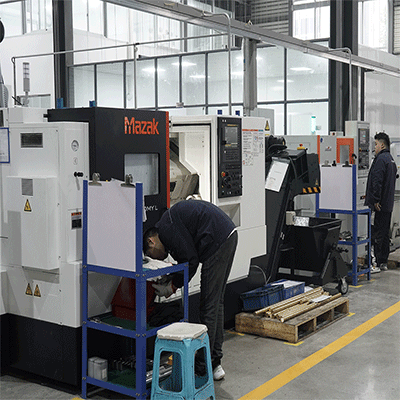
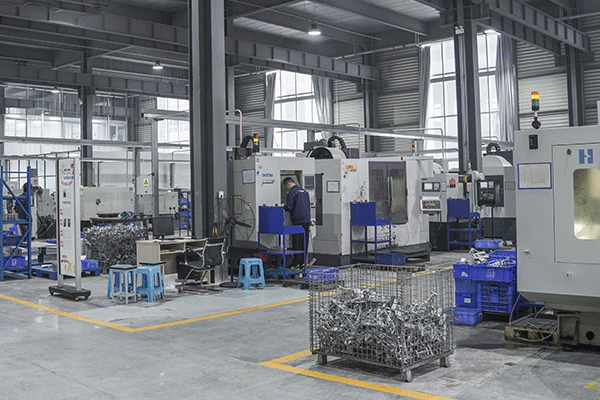
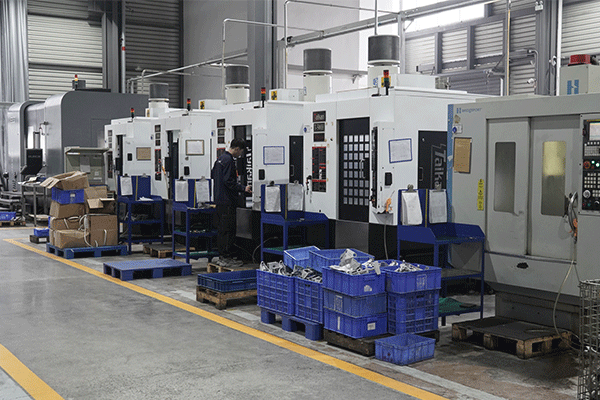
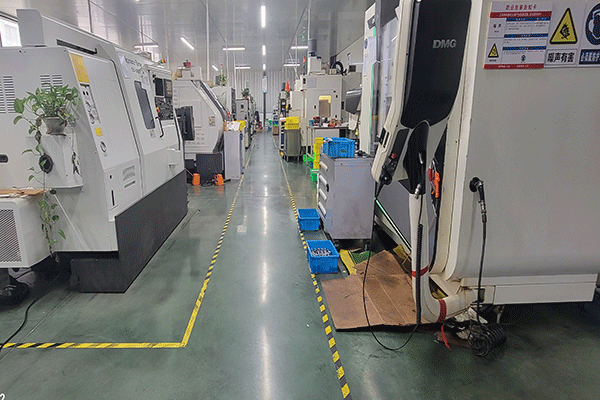
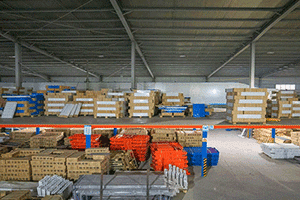
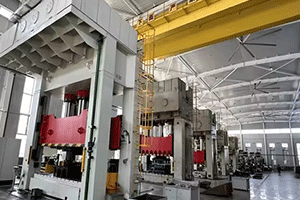
Since 2012, we've been at the forefront of CNC machining, initially specializing in manufacturing precision molds and evolving to provide comprehensive in-house production of machined parts. This journey has allowed us to complete over 1270 custom projects, equipping us with extensive experience in overcoming diverse machining challenges. We continuously refine our techniques, ensuring optimal quality for every component.
Our Commitment to Your Success:
-
17+ Years of Expertise: Our deep specialization in machining production across various industries enables efficient problem-solving and innovation.
-
Self-Owned Workshop: Our in-house machining facility significantly shortens production cycles and reduces your procurement costs by at least 10%.
-
Unwavering Confidentiality: We prioritize the utmost confidentiality for your designs and intellectual property, always signing protection agreements.
-
Real-Time Order Tracking: Stay informed with continuous production updates throughout your order's journey.
Factory Photo
Brass CNC Machining Frequently Asked Questions (FAQs)
What is the Minimum Order Quantity for Brass Parts?
No minimum order quantity for brass machining. We handle single prototypes through mass production runs of 100,000+ pieces.
How Fast Can You Deliver CNC Machined Brass Parts?
Simple brass parts ship in as fast as 3 days. Standard lead time is 7-10 business days for complex brass components. Expedited brass machining services available.
What Brass Alloys Do You Machine?
We machine 10+ brass alloys including Free-Cutting Brass C360, Cartridge Brass C260, Naval Brass C464, Admiralty Brass C443, Architectural Bronze C385, and others. Not sure which brass alloy is right? We provide free material consultation.
Do You Offer Finishing Services for Brass Parts?
Yes. We provide complete brass finishing including deburring, polishing, plating (nickel, chrome, tin, silver, gold), powder coating, passivation, and custom finishes.
What File Formats Do You Accept for Brass Part Quotes?
We accept STEP, IGES, SolidWorks, Inventor, Fusion 360, CATIA, and other CAD formats. 2D drawings in PDF or DWG also accepted.
Let's Start A New Project Today
Aluminum is lightweight yet strong, with excellent machinability and corrosion resistance. Ideal for aerospace and automotive parts, our aluminum CNC milling service ensures precise and high-quality machining tailored to your specific needs.
Alloys
Aluminum 6061, 6061-T6
Aluminum 2024
Aluminum 5052
Aluminum 5083
Aluminum 6063
Aluminum 6082
Aluminum 7075, 7075-T6
Aluminum ADC12 (A380)
Copper is known for its superior electrical conductivity and thermal properties, making it perfect for electrical components and heat exchangers.
Alloys
Copper C101(T2)
Copper C103(T1)
Copper C103(TU2)
Copper C110(TU0)
Beryllium Copper
Brass is durable and has a low friction coefficient, which makes it suitable for fittings, tools, and musical instruments that require precision.
Alloys
Brass C27400
Brass C28000
Brass C36000
Bronze is highly resistant to corrosion and metal fatigue, favored for bearings, bushings, and marine hardware.
Alloys
Tin Bronze
View more
Steel is an alloy with high tensile strength and durability, commonly used in construction and automotive industries for its robustness.
Alloys
Steel 1018, 1020, 1025, 1045, 1215, 4130, 4140, 4340, 5140, A36
Die steel
Alloy steel
Chisel tool steel
Spring steel
High speed steel
Cold rolled steel
Bearing steel
SPCC
View more
Stainless steel is renowned for its corrosion resistance, making it a prime choice for medical devices and food processing equipment.
Alloys
Stainless Steel SUS201
Stainless Steel SUS303
Stainless Steel SUS 304
Stainless Steel SUS316
Stainless Steel SUS316L
Stainless Steel SUS420
Stainless Steel SUS430
Stainless Steel SUS431
Stainless Steel SUS440C
Stainless Steel SUS630/17-4PH
Stainless Steel AISI 304
Magnesium is the lightest structural metal, offering high strength-to-weight ratios, perfect for automotive and aerospace applications where weight is critical.
Alloys
Magnesium Alloy AZ31B
Magnesium Alloy AZ91D
View more
Titanium boasts the highest strength-to-density ratio among metals, highly resistant to corrosion and fatigue, ideal for aerospace, medical, and marine applications.
Alloys
Titanium Alloy TA1
Titanium Alloy TA2
Titanium Alloy TC4/Ti-6Al 4V
ABS is strong, durable, and offers good resistance to heat and impact. It machines easily with smooth surface finishes, preferred for automotive components, consumer goods, and functional prototypes.
ABS Beige(Natural)
ABS Black
ABS Black Antistatic
ABS Milky White
ABS+PC Black
ABS+PC White
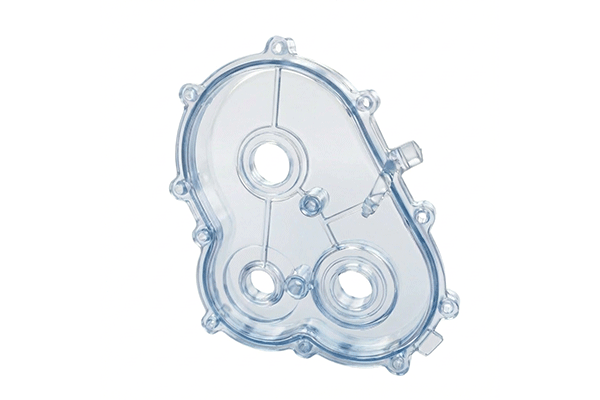
Polycarbonate is extremely durable with high impact resistance and clarity, used for bullet-proof glass and protective gear.
PC Black
PC Transparent
PC White
PC Yellowish White
PC+GF30 Black
Acrylic offers excellent optical clarity and light transmission, lighter than glass with superior weather resistance. It’s used for LED diffusers, display cases, and architectural features.
PMMA Black
PMMA Transparent
PMMA White
POM is stiff and dimensionally stable with low friction and excellent machinability. It’s ideal for gears, bearings, and precision mechanical assemblies.
Dark brown (coffee) POM 100AF
POM Black
POM Blue
POM White
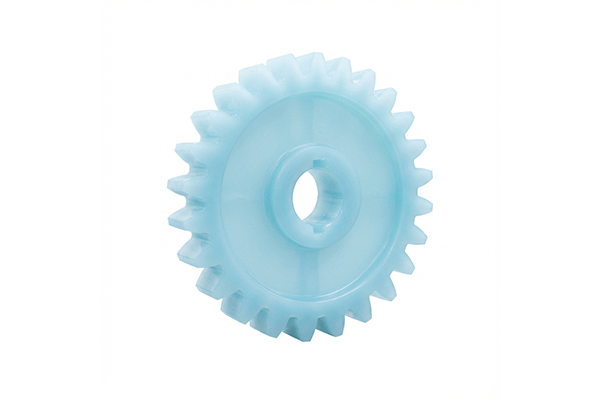
Nylon is tough, flexible, and absorbs impact well with excellent abrasion resistance. It’s suitable for wear strips, bushings, and impact-resistant housings.
PA(Nylon) Blue
PA6 (Nylon)+GF15 Black
PA6 (Nylon)+GF30 Black
PA66 (Nylon) Beige(Natural)
PA66 (Nylon) Black
Polyethylene is lightweight and flexible with excellent chemical resistance and impact strength. It’s used for tanks, containers, gaskets, and outdoor applications.
PE Black
PE White
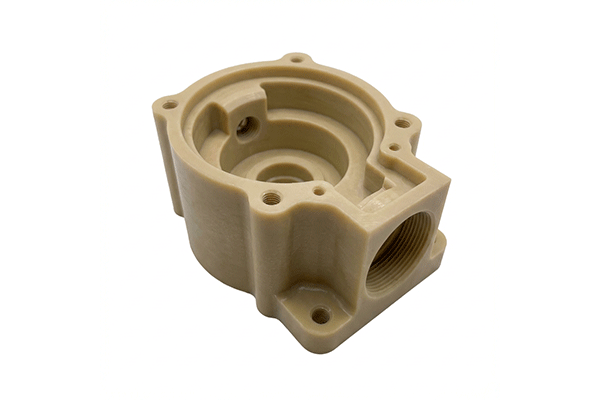
PEEK withstands continuous temperatures up to 480°F and resists nearly all chemicals with exceptional strength. It’s used in aerospace, medical implants, and high-performance industrial applications.
PEEK Beige(Natural)
PEEK Black
Polypropylene provides chemical resistance and fatigue strength at a low cost with FDA approval for food contact. It’s suited for chemical tanks, lab equipment, and living hinges.
PP Black
PP White
PP+GF30 Black
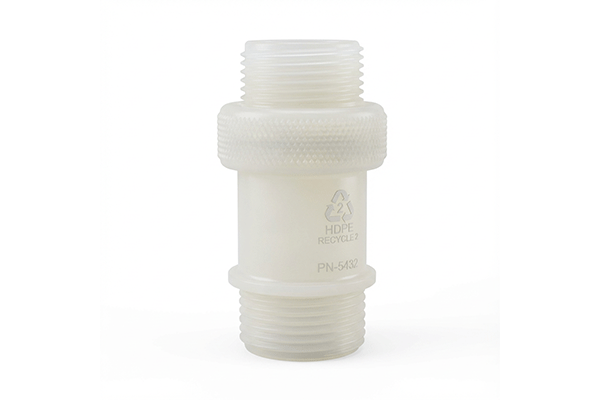
HDPE is lightweight with excellent impact strength, moisture resistance, and chemical resistance. It’s ideal for tanks, containers, and outdoor applications.
HDPE Black
HDPE White
Polystyrene is lightweight and easy to machine with good dimensional stability at low cost. It’s suitable for prototypes, packaging, and low-stress applications.
HIPS Board White
LDPE is flexible and tough with good chemical resistance and low-temperature performance. It’s used for gaskets, seals, and flexible components.
LDPE White
PBT is strong and stiff with excellent dimensional stability and electrical insulation properties. It’s used for electrical connectors, automotive components, and precision housings.
PBT Black
PBT Milky White(Natural)
PPA offers high heat resistance and strength with excellent chemical resistance and dimensional stability. It’s used for automotive under-hood components, electrical connectors, and high-temperature industrial parts.
PAI offers exceptional strength and stiffness with continuous service temperatures up to 500°F and superior wear resistance. It’s used for high-temperature bearings, seals, and aerospace components.
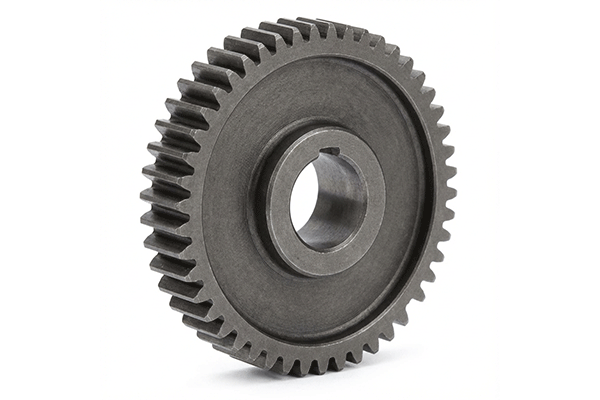
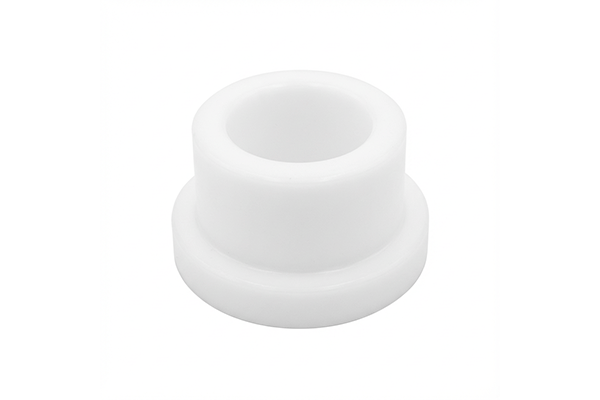
PAI Brown
PET combines clarity, strength, and chemical resistance with FDA approval for food and beverage contact. It’s widely used for packaging, medical devices, and transparent enclosures.
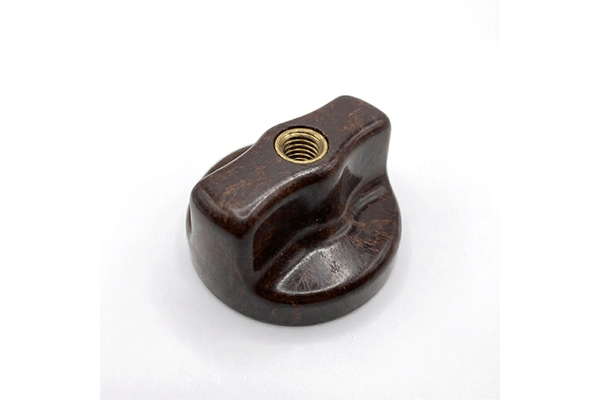
PET Black
PET White
PET+GF30 Black
PET+GF30 White
PPS delivers outstanding chemical resistance and thermal stability up to 400°F with inherent flame retardancy. It’s used for chemical processing equipment, automotive under-hood components, and electrical insulators.
PPS Black
PPS White
PPS+GF30 Black
PPS+GF30 White
PS is lightweight and rigid with good dimensional stability and ease of machining at low cost. It’s suitable for prototypes, packaging, displays, and low-stress applications.
PS Transparent
PVC resists acids and chemicals while remaining cost-effective and easy to machine. It’s commonly used for chemical tanks, piping, and corrosion-resistant equipment.
PVC Grey
PTFE has the lowest coefficient of friction of any solid material and is chemically inert across extreme temperatures. It’s perfect for seals, gaskets, and non-stick applications.
Teflon (PTFE) Black
Teflon (PTFE) White
UPE delivers exceptional abrasion resistance with self-lubricating properties and operates in extreme cold temperatures. It’s ideal for conveyor liners, wear strips, and bulk material handling components.
UPE Black
UPE White
Bakelite is hard and heat-resistant with excellent electrical insulation and dimensional stability under load. It’s used for electrical components, circuit breakers, and high-temperature industrial parts.
Bakelite Black
Bakelite Orange
FR4 is a glass-reinforced epoxy with excellent electrical insulation and mechanical strength across temperature extremes. It’s essential for circuit boards, electrical insulators, and high-voltage applications.
FR-4 Aqua Green
FR-4 Yellow
As-machined finish retains tool marks and natural surface characteristics from CNC cutting, offering the fastest turnaround and lowest cost.
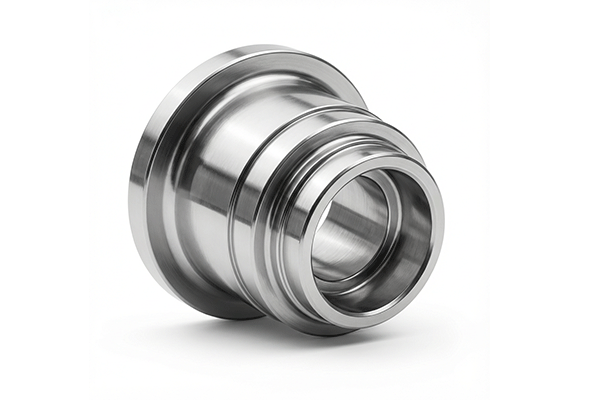
Polishing achieves a smooth, reflective surface with reduced friction and improved aesthetics, suitable for high-visibility components.
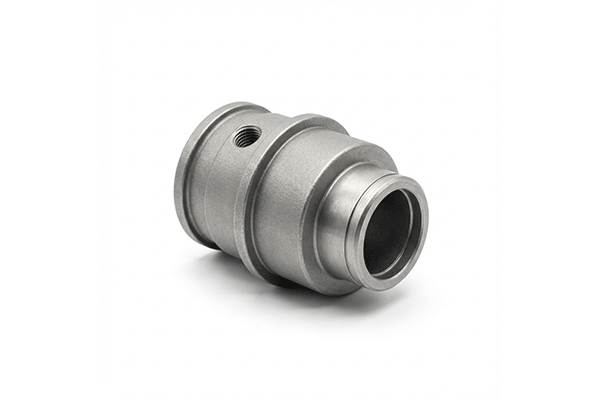
Bead blasting creates uniform matte textures by impacting surfaces with glass beads, producing consistent Ra Ra 0.8–3.2 µm finishes.
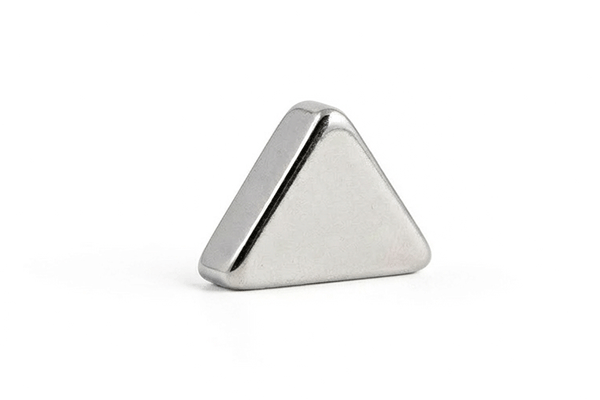
Tumbling
Tumbling smooths sharp edges and surfaces through mass finishing, producing consistent deburring and a satin texture for small to medium parts.
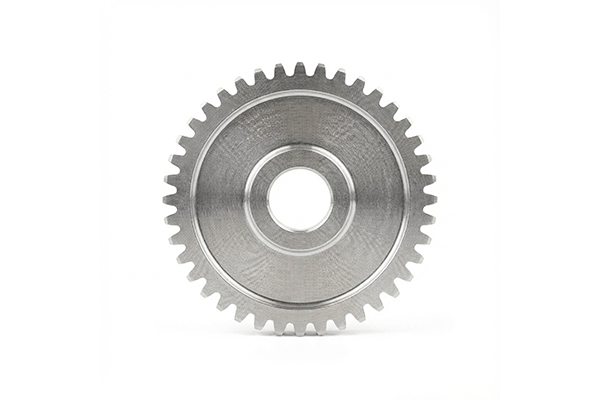
Brushing creates directional texture with a brushed-metal aesthetic, commonly used for architectural hardware and consumer electronics.
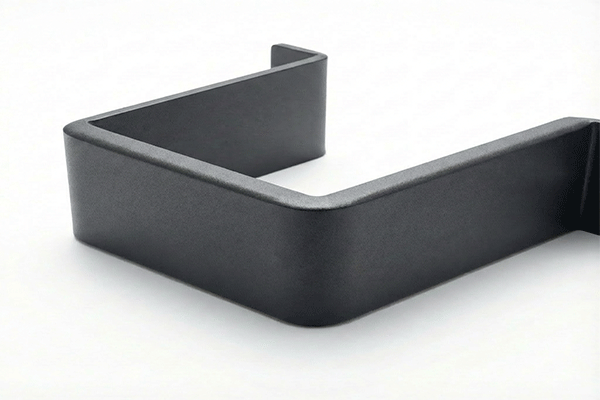
Powder coating delivers a thick, durable finish with excellent color retention and UV resistance, perfect for outdoor and high-wear applications.
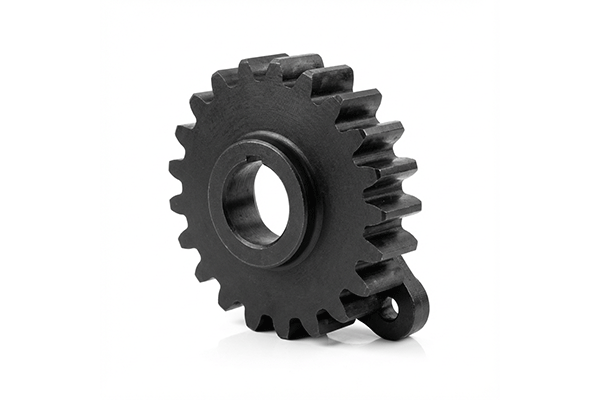
Black oxide forms a dark, corrosion-resistant coating on steel with minimal dimensional change, offering a professional matte-black appearance.
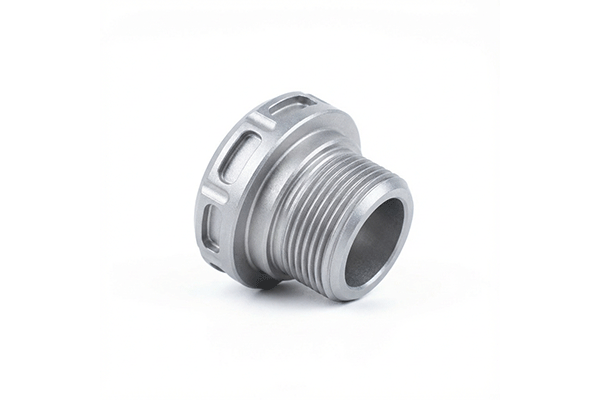
Anodizing increases corrosion resistance and wear properties while allowing for color dyeing, ideal for aluminum parts both protection and aesthetic appeal.